Best Siding for Wisconsin Homes: Hardie vs LP SmartSide vs Vinyl
There is no single best siding for every house in the Chippewa Valley. There is a best fit for your home, your budget, the look you want, and how long you plan to stay. Here is how to weigh the choice.
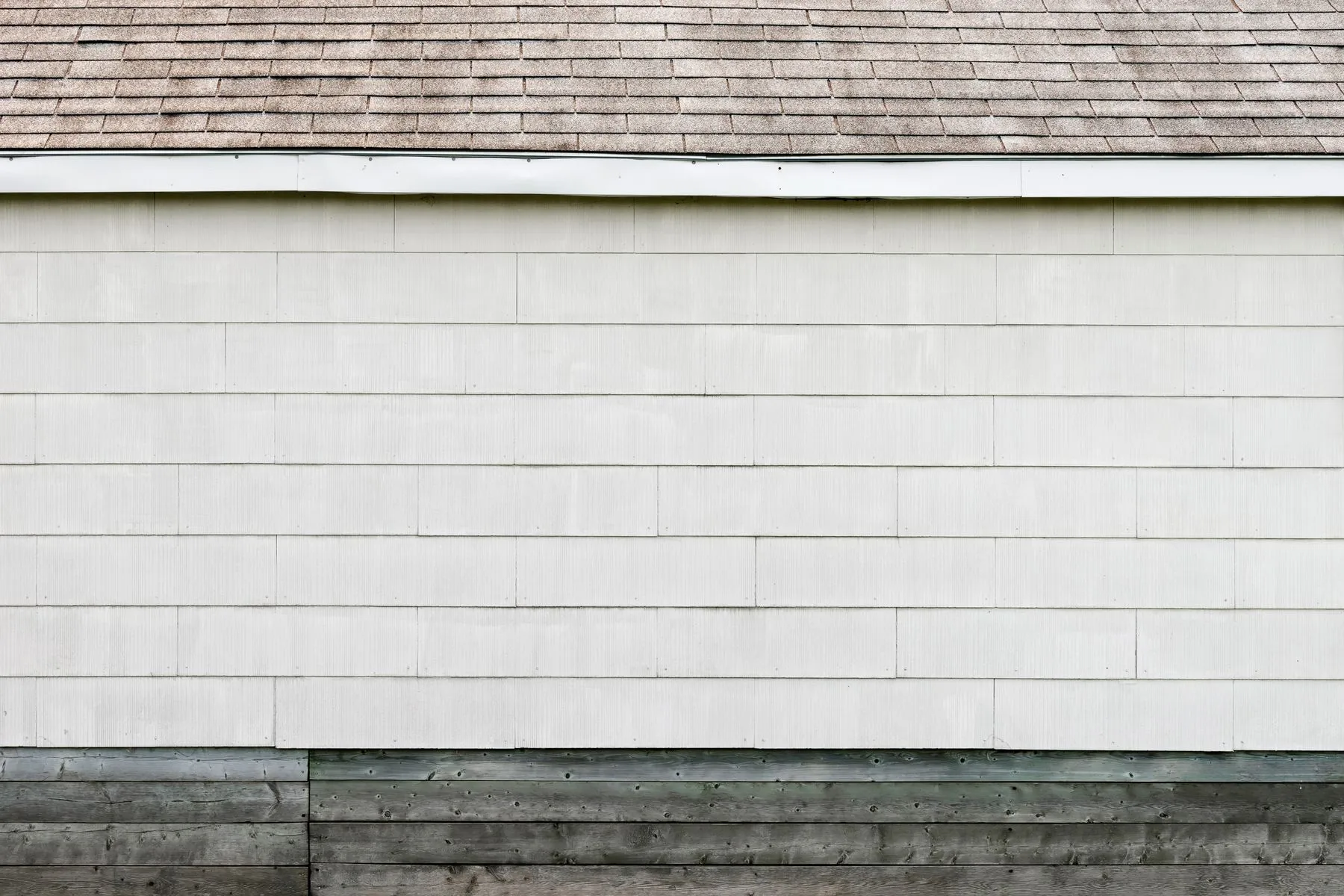
What the Best Siding for Wisconsin Homes Really Means
When homeowners ask what is the best siding for a house, they are usually asking five questions at once: what it costs, how long it lasts, how it looks on the curb, how much upkeep it asks for, and how well it stands up to the elements. The honest answer is that the best siding for Wisconsin homes is the one that balances those five factors for your specific situation. There is no single winner, and any contractor who tells you one product beats every other in every category is selling, not advising. Just as important as the material is the workmanship behind it. The same panel installed with proper prep, a weather-resistant barrier, clean flashing, and correct fastening will outlast a premium product slapped on in a hurry. Pick the material that fits your priorities, then make sure it goes on right.
Here are the five factors worth weighing before you compare brands:
- Cost. Both the up-front material and install price, and the long-game cost of repainting, repairs, and replacement over decades.
- Durability. How well it shrugs off hail, blowing debris, ladder bumps, and the slow grind of UV and temperature cycling.
- Moisture and freeze-thaw performance. The one local factor worth singling out. Water that gets behind a panel and freezes expands and pries seams open, so materials that absorb less water and move less with temperature hold up better here. This is far more about install quality than brand, which is why we come back to it below.
- Maintenance. How much washing, caulking, and repainting it asks of you over its life.
- Look. The profile, texture, and color range, and how well it suits your home and neighborhood.
Keep those five in mind as you read the three material profiles below. Then jump to the head-to-head table and the budget-based recommendations at the end.
Vinyl Siding: The Value Workhorse
Vinyl is the most common siding in the Chippewa Valley for a straightforward reason: it delivers the lowest installed cost and never needs repainting. The color runs through the material, so a scratch does not expose bare substrate, and a yearly rinse with a garden hose is most of the maintenance it asks for. Modern insulated vinyl also adds a layer of foam backing that stiffens the panel and improves the wall's energy performance.
Where vinyl shines: budget-friendly, zero repainting, light enough for fast installation, and available in a wide range of colors and profiles. For a rental, a starter home, or any house you may sell within a decade, quality vinyl is a smart, defensible choice.
Where vinyl struggles in our climate: vinyl gets brittle in deep cold, and a stray chunk of ice off the roof or a summer hailstone can crack a panel that would only dent on a tougher material. It also expands and contracts noticeably with temperature, more than any other siding here, so panels are hung loose by design; a careless install that nails them tight will buckle and wave in summer heat or pop loose in a January cold snap. Standard thin vinyl can also fade unevenly on the sun-and-wind-beaten south and west walls over the years. The fix for most of this is choosing a thicker, higher-grade panel and insisting on a careful installer who lets the material float, which is exactly the kind of trade-off worth talking through during a free estimate. Learn more on our vinyl siding page.
James Hardie Fiber Cement: The Durability and Curb-Appeal Pick
Fiber cement is a blend of cement, sand, and cellulose fiber, and James Hardie is the name most Wisconsin homeowners recognize. It is heavy, rigid, and about as close to maintenance-light masonry as siding gets. Hardie offers a cold-climate engineered product line, and the boards barely move with temperature, resist rot and insects, and stand up to hail and debris far better than vinyl.
Where Hardie shines: outstanding moisture and freeze-thaw resistance, non-combustible fire performance, and a thick, substantial profile that reads as premium from the curb. Factory-applied color finishes hold their look for years before any repaint is needed, and the deep shadow lines of the board profiles give a home real architectural character. If you are staying long term and want the strongest curb-appeal return, this is usually the front-runner.
Where Hardie costs you: it is the most expensive of the three to buy and install, largely because the boards are heavy and the install is labor-intensive, with specific cutting, fastening, and gapping requirements. Done wrong, that weight and rigidity work against you. Done right, it is the longest-lasting of the three. See our James Hardie fiber cement page for the full breakdown.
LP SmartSide Engineered Wood: The Middle Ground
LP SmartSide is engineered wood, made from wood strands bonded with resins and waxes and treated through LP's SmartGuard process for moisture, rot, and termite resistance. It splits the difference between vinyl and fiber cement in a way a lot of Chippewa Valley homeowners find appealing. You get the warm, authentic look and deep texture of real wood grain, but with engineered durability and a fraction of the weight of fiber cement.
Where SmartSide shines: a genuine wood look, strong impact resistance that handles hail and ice well, and a lighter, faster, more forgiving installation than fiber cement, which often translates to a lower labor cost. It comes pre-primed and can be painted any color you like, so you are not locked into a manufacturer palette. Its freeze-thaw performance is solid because the engineered treatment limits how much moisture the material takes on.
Where SmartSide asks more of you: because the surface is a paintable wood-based product, it does eventually need repainting, where vinyl never does and Hardie's factory finish lasts longer between coats. The trade-off is that when the time comes you can change the color completely rather than residing. It also depends heavily on sealed edges and good flashing; any spot where the engineered core is left exposed to standing water, an unsealed cut end at a window or a corner, is a weak point that our freeze-thaw cycle will exploit. That again comes back to install quality more than the material itself. Details are on our LP SmartSide engineered wood page.
Head-to-Head: Cost, Lifespan, Impact, and Maintenance
Here is how the three stack up on the factors that matter most for a home in our climate. Read it as a decision matrix, not a scoreboard: vinyl wins on price and zero-repaint maintenance, Hardie wins on raw longevity and fire resistance, and SmartSide takes the middle on cost while delivering the best wood look and excellent impact resistance. The right pick is wherever your priorities land, not whichever material has the most checkmarks. Treat the cost rankings below as relative, not a quote; your actual price depends on your home's size, number of stories, trim and soffit-fascia work, and whether old siding has to come off first.
Installed cost
- Vinyl: lowest. The value leader on day one.
- LP SmartSide: middle. More than vinyl, less than Hardie, with lighter labor than fiber cement.
- James Hardie: highest. The heavy, labor-intensive install drives the premium.
Expected lifespan
- Vinyl: long, though the thin grades can fade or crack sooner on weather-beaten walls.
- LP SmartSide: long, when edges stay sealed and it is repainted on schedule.
- James Hardie: the longest of the three, with minimal movement and high rot resistance.
Impact and freeze-thaw resistance
- Vinyl: weakest in deep cold, when it grows brittle and a hailstone or ice chunk can crack it.
- LP SmartSide: strong impact resistance; the engineered core flexes rather than shatters.
- James Hardie: very strong against hail and debris, and it barely moves through freeze-thaw cycles.
Maintenance and look
- Vinyl: lowest maintenance, never repainted; look ranges from basic to convincing depending on grade.
- LP SmartSide: needs periodic repainting; the most authentic wood look of the three.
- James Hardie: low maintenance with a long-lasting factory finish; premium, architectural look.
Our Recommendation by Budget and Use-Case
Once you map the materials to how long you plan to own the home and what you value most, the choice gets clear. None of these is a wrong answer; each is the right answer for a different homeowner. A few common Chippewa Valley scenarios:
- Tight budget, or selling within a few years: quality insulated vinyl. Choose a thicker grade, not the cheapest panel on the shelf, and you get a clean look and decades of service for the lowest up-front cost.
- Forever home, curb appeal is the priority: James Hardie fiber cement. The premium look, the freeze-thaw and fire performance, and the long life make it the strongest return when you are staying put.
- You want the wood look without the wood upkeep, or a faster install: LP SmartSide. Real grain, strong hail resistance, and a lighter install, with the understanding that you will repaint it down the road.
- One badly weathered wall: a partial replacement may make sense, but matching aged siding is tricky, so it is worth an honest on-site look before you decide.
Whichever material you lean toward, the single biggest factor in how long your siding holds up is the workmanship behind it. A weather-resistant barrier, correct flashing at every window, door, and transition, and proper gapping so the material can move are what keep moisture out of the wall and protect the home for the long haul. We are Licensed & Insured, we use quality materials from trusted manufacturers, and our local Eau Claire crews install all three of these products to manufacturer spec. When you are ready, see our siding installation page or request a free on-site estimate with a written price range. No high-pressure sales, just a straight comparison of your real options on your actual house. Want to talk it through with someone local? Reach out through our contact page.
Get a free estimate
Get Your Free Eau Claire Estimate
Tell us what your home needs and we'll set up a free on-site visit with a written price range — no obligation, no pressure.
Prefer to talk? Call 715-705-8272.
Frequently Asked Questions
What is the best siding for a house in Eau Claire?
There is no universal best siding. For most Eau Claire homes the decision comes down to budget, how long you plan to stay, and the look you want. Vinyl is the value choice, James Hardie fiber cement is the durability-and-curb-appeal choice, and LP SmartSide engineered wood splits the difference with a real-wood look at a lighter weight. All three perform well here when installed correctly with proper flashing and a weather-resistant barrier behind them.
LP SmartSide vs Hardie: which holds up better in Wisconsin winters?
Both are built for cold climates and both will outlast standard vinyl. James Hardie fiber cement is heavier and highly resistant to moisture, rot, and warping, with engineered cold-weather product lines. LP SmartSide is engineered wood treated with the SmartGuard process for moisture and freeze-thaw resistance, and its impact resistance against hail and ice is a real advantage. Hardie edges it on raw longevity and fire resistance; SmartSide is easier and faster to install and more forgiving in cold weather. Correct installation matters more than the material gap between them.
Is fiber cement worth the extra cost over vinyl?
It depends on how long you will own the home. Fiber cement costs more up front but resists fading, dents, hail, and wind better than standard vinyl, and the thicker profiles give a more substantial look. If you plan to stay long term or want the strongest curb-appeal return, the added cost is usually worth it. If budget is tight or you may sell in a few years, quality insulated vinyl is a sound choice.
How much does new siding cost in Eau Claire?
As a planning range, vinyl typically runs lower per square foot, LP SmartSide sits in the middle, and James Hardie fiber cement is generally the highest. Final cost depends on your home size, number of stories, trim and soffit-fascia work, tear-off, and how many sides need attention. We give every Eau Claire homeowner a free on-site estimate with a written price range so you can compare materials on your actual house, not a generic per-foot number.
Can you replace just one side of my house?
Often, yes. If only the south or west wall has taken the brunt of sun and wind-driven rain, a partial replacement can make sense, though matching color and profile to aged siding is a real consideration. We will tell you honestly during the free estimate whether a partial job will look right or whether a full wrap is the smarter long-term call.
Free Estimates Across Eau Claire & the Chippewa Valley
Serving Eau Claire, Altoona, Chippewa Falls, Menomonie, Lake Hallie and surrounding communities. Honest written pricing, no pressure.