How Long Do Gutters & Siding Last in the Chippewa Valley?
A plain-spoken look at how long seamless gutters and each siding material really last on Eau Claire homes, the quality details that decide whether you get the high end of the range, and the simple maintenance that buys you more years.
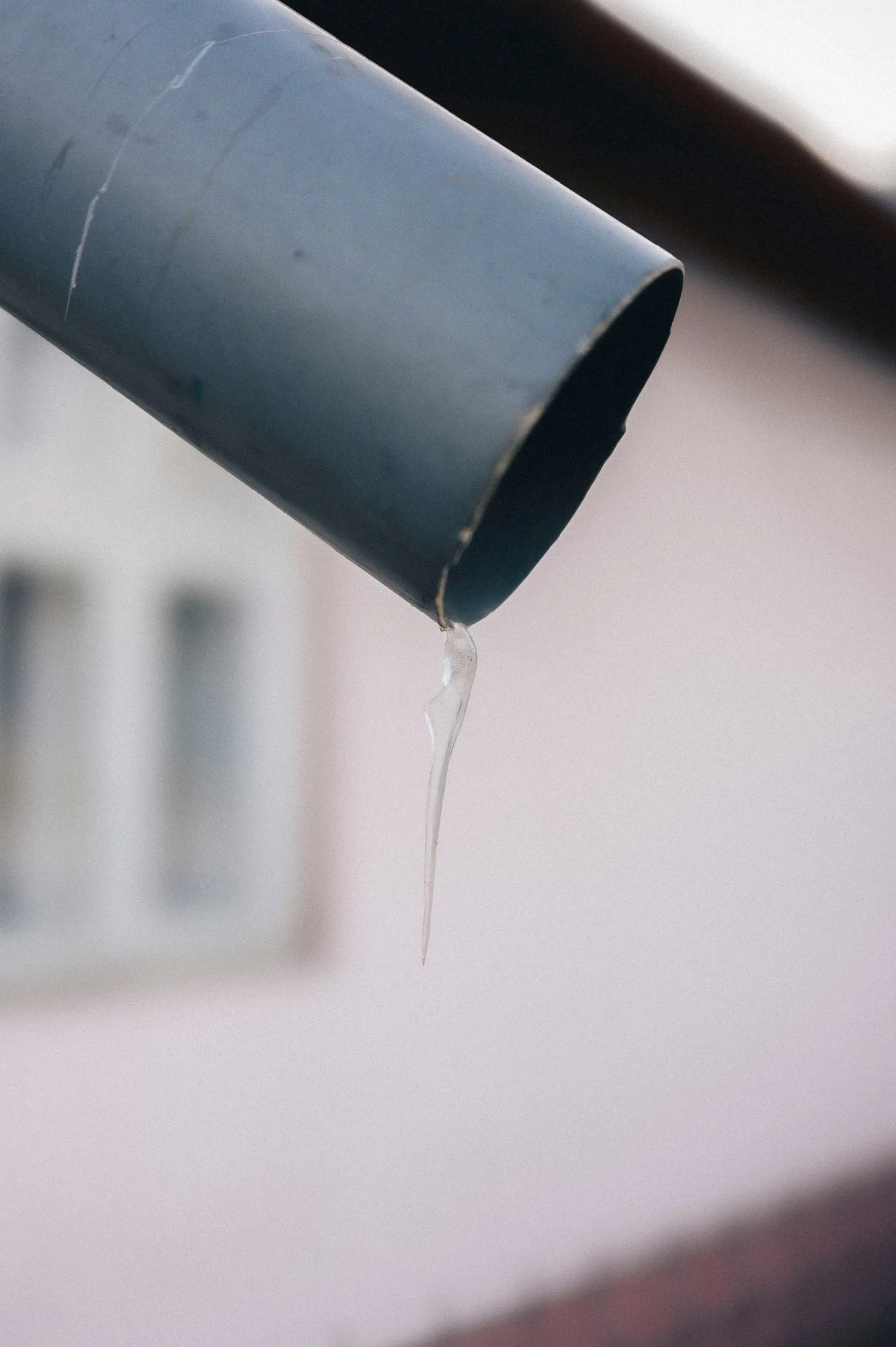
How long does siding last, and how long do seamless gutters last here?
Two of the most common questions we hear from Eau Claire homeowners are how long does siding last and how long do seamless gutters last before they need replacing. The honest answer is that both reach a normal lifespan range set mostly by the material you choose, but the number you actually get is decided by the install. Tight flashing, properly fastened hangers, sealed joints, and quality materials from trusted manufacturers are what carry an exterior to the top of its range instead of the bottom. Below is a plain breakdown of the real numbers by material, the craftsmanship details that move them, and the low-cost maintenance that adds years.
How long seamless gutters last (and what shortens it here)
Seamless aluminum gutters, the standard on most homes in Eau Claire, Altoona, and Chippewa Falls, typically last about 20 to 30 years. Heavier-gauge aluminum and steel can push toward the top of that range, while thinner stock sits lower. Copper lasts far longer but is rare on residential work locally. The important thing to understand is that the metal itself almost never wears out first. What ages a gutter system is everything attached to it, which is exactly why a clean, well-fastened install pays off for decades.
The first failure point is the hangers that hold the gutter to the fascia. When they are spaced and anchored properly into solid wood, they carry the load for years; when they loosen, the gutter sags and water pools instead of draining. The second is the sealant at the end caps, miters, and outlets, which is why careful prep and quality sealant at those joints matter so much. The third is ice-dam loading: when snow melts on a warm roof and refreezes at the cold eave, that ice can bend the front lip and tear hangers out. The takeaway is the same on every count. None of it means the aluminum is bad; it means the details need to be done right and kept up. If your gutters are sagging or leaking at the seams, targeted gutter repair often restores years of service for a fraction of replacement cost.
How long each siding material lasts
Siding lifespan varies a lot more than gutters because the materials are so different. Here is how the three most common choices on Chippewa Valley homes tend to perform.
- Vinyl siding commonly lasts about 20 to 40 years. It resists moisture well, never needs painting, and gives you a clean, finished look at a friendly price. Its weak spot is impact: a stray rock from the mower or a hard knock can crack a panel, and UV slowly fades darker colors. A tidy install with proper spacing and overlap is what keeps panels lying flat and looking sharp for the long haul.
- Fiber cement, such as James Hardie, typically runs 30 to 50 years or more. It is dense and heavy, so it shrugs off impact and hail far better than most options, and the factory-baked color holds its curb appeal for years. Its lifespan hinges on the caulk joints and paint being maintained over the decades rather than on the board itself failing, which is why crisp flashing and sealed seams are the difference-maker.
- Engineered wood, such as LP SmartSide, generally lasts about 20 to 40 years and is treated to resist the rot and insects that plague raw wood. It gives you the warm look and workability of wood with better durability, but it depends on its protective coating staying intact, so keeping the paint and sealed edges in good shape is what carries it to the top of its range.
Across all three, the actual lifespan you get depends far less on the brand than on how the flashing, house wrap, and caulking were installed and maintained. Quality materials from trusted manufacturers like James Hardie and LP give you a strong starting point, but water management is what carries them across the finish line.
How Wisconsin freeze-thaw, ice dams, and UV shorten lifespans
Here is where local conditions genuinely move the numbers, and understanding the mechanism explains why a neglected detail fails faster than the manufacturer averages suggest. The core idea is simple: any water that sits in a crack, an open caulk joint, a nail hole, or behind a loose panel freezes and expands, and each freeze-thaw cycle pries the gap a little wider. That repeated wedging is what splits caulk lines, lifts panels, and works fasteners loose, which is exactly why sealed joints and proper flashing matter so much on a Chippewa Valley home.
Ice dams add a second mechanism. Heat escaping through the roof melts snow up high, the water runs to the cold eave and refreezes into a ridge, and that ridge backs water up over the gutter edge where it can soak fascia and soffit and find its way behind siding. UV from the summer sun does the slow work, breaking down the surface of vinyl and any coating and making materials more prone to cracking. The lesson is consistent, and it is good news: trapped or redirected water is what does the real harm, long before the material itself wears out, and that is the one thing a clean install and a little upkeep can control.
Maintenance that extends life
The good news is that the habits that add years are cheap and mostly within reach of a careful homeowner. The single most valuable one is keeping water moving. Clean your gutters in spring and again after the leaves drop in fall so that snowmelt and rain actually drain instead of overflowing and freezing at the eave. Make sure downspouts carry water several feet away from the foundation. Walk the house once a year and look for caulk joints opening up around windows, doors, corners, and where trim meets siding, then re-seal them before water gets in. Check that gutter hangers are tight and that the fascia and soffit behind them are sound, since that is where ice-dam damage hides. If you see soft spots, peeling paint, or rot at the eaves, address the soffit and fascia early, because those boards are what hold your whole gutter system to the house. For siding, a gentle wash to remove dirt and mildew and prompt attention to any cracked or loose pieces through siding repair keeps small problems from becoming big ones.
Signs of end-of-life for gutters and for siding
At some point maintenance stops being enough, and it is worth knowing the signals. For gutters, the warning signs are widespread sagging or separation from the fascia, seams that keep leaking after they are resealed, rust holes or cracks along the bottom, peeling paint or rot on the boards behind the gutter, and water marks or erosion on the ground showing the system no longer carries water away. When several of these show up at once, a fresh seamless gutter installation protects your home far better than chasing leaks one by one.
For siding, watch for panels that are cracked, warped, buckling, or pulling away from the wall, color that has faded badly or chalks off on your hand, caulk lines that no longer hold a seal no matter how often you redo them, and any sign of moisture, soft sheathing, or interior staining behind the siding. Bubbling paint or a musty smell points to trapped water, which is the most urgent reason to act. If the damage is localized, repair is usually the right call. If it is widespread, replacement with quality, weather-appropriate materials is the better long-term investment. Either way, the smart first step is a free on-site estimate so a local Eau Claire crew can look at the actual condition of your home and give you honest options, with transparent price ranges, in writing. We are Licensed and Insured, our estimates are free with no high-pressure sales, and we will tell you plainly whether your gutters and siding have years left or are ready to be replaced.
Get a free estimate
Get Your Free Eau Claire Estimate
Tell us what your home needs and we'll set up a free on-site visit with a written price range — no obligation, no pressure.
Prefer to talk? Call 715-705-8272.
Frequently Asked Questions
How long do seamless aluminum gutters last in Eau Claire?
On most Chippewa Valley homes, seamless aluminum gutters last roughly 20 to 30 years. The metal itself rarely fails first. What ages a system here is the hangers loosening, the sealant at the end caps and miters drying out, and ice-dam weight bending the front lip. With a yearly cleaning and a hanger check, the high end of that range is realistic.
How long does vinyl siding last compared to fiber cement?
Vinyl siding typically lasts about 20 to 40 years, and James Hardie fiber cement commonly runs 30 to 50 years or more. Fiber cement holds up better against hail, wind-driven rain, and UV fading, which is why it carries the longer range. Both depend heavily on flashing and caulking being maintained at windows, corners, and trim.
Does Eau Claire weather really shorten siding and gutter life?
It can, mostly through freeze-thaw cycles and ice dams that force water into any unsealed gap, plus UV that slowly fades and weakens surfaces. The materials still reach their normal range. What fails early is the neglected detail, which is why a tight install and basic upkeep matter more here than the manufacturer averages suggest.
Should I repair or replace my old gutters?
If the problems are localized, such as one sagging run, a leaking seam, or a few loose spikes, repair is usually the smart spend. When you see widespread separation from the fascia, rust-through, or paint and rot on the boards behind the gutter, replacement protects your home far better. A free on-site estimate gives you both options in writing.
What is the cheapest way to make my siding and gutters last longer?
Keep water moving and keep gaps sealed. Clean gutters spring and fall, redirect downspouts away from the foundation, and re-caulk the joints around windows, doors, and trim before they open up. These low-cost habits do more for lifespan than almost anything else, because in our climate it is trapped water that does the damage.
Free Estimates Across Eau Claire & the Chippewa Valley
Serving Eau Claire, Altoona, Chippewa Falls, Menomonie, Lake Hallie and surrounding communities. Honest written pricing, no pressure.